The Library of Consciousness

The Library
of Consciousness
of Consciousness

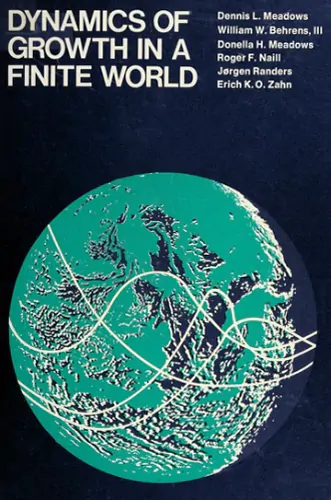
Dynamics of Growth in a Finite World expands the Limits to Growth model, detailing how population, resources, and pollution interact in a finite system. It shows that unchecked exponential growth overshoots ecological limits, but careful policy, feedback awareness, and restraint can stabilize humanity within Earth’s carrying capacity.
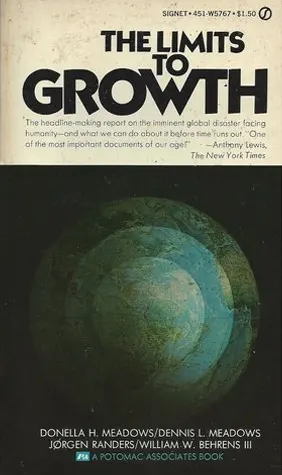
In 1972, three scientists from MIT created a computer model that analyzed global resource consumption and production. Their results shocked the world and created stirring conversations about global “overshoot,” or resource use beyond the carrying capacity of the planet.
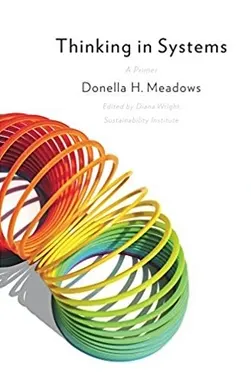
Thinking in Systems
Donella Meadows provides an accessible introduction to systems thinking, explaining how to understand complex systems and interact within them more effectively. She describes different types of systems, including physical and social systems, and key system concepts like stocks, flows, feedback loops, leverage points, and delays. Meadows illustrates these ideas through real-world examples and models, and argues that adopting a systems perspective can help address many of society's challenges in areas like sustainability, politics, and business. She aims to teach readers to think broadly about interconnections, change over time, and root causes so they can better understand and influence systems for desired outcomes.